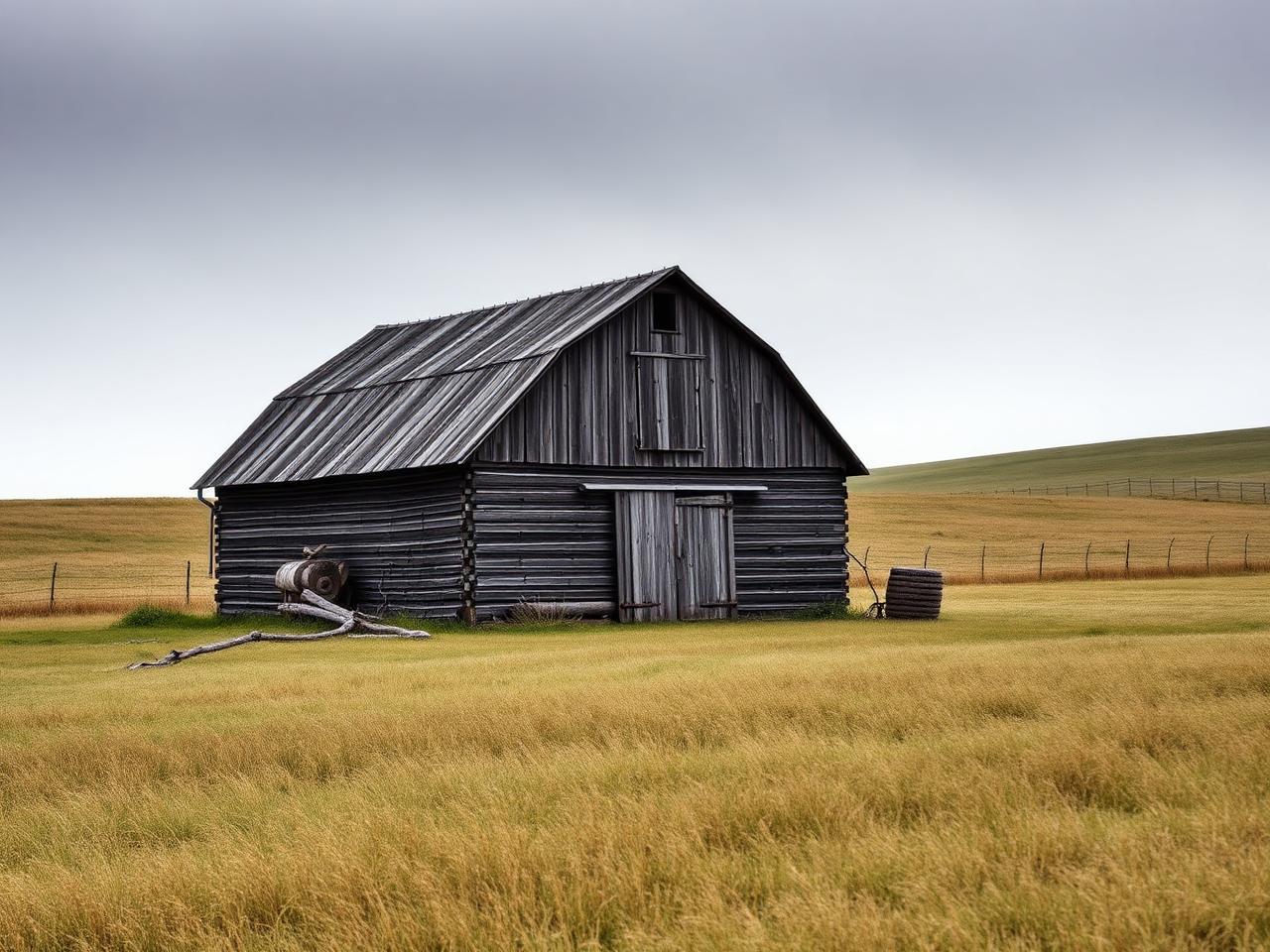
Tualatin Valley
Forest Grove, Banks, Cornelius, Gaston. Diverse small-scale agriculture, close to Portland markets, a working Latino farming community, and land still within reach. This is where we start.
A Drew Keske Concept · Washington & Yamhill County, Oregon · 501(c)(3) in formation
Held for good.
We buy and permanently protect working farmland west of Portland, then lease it long and low to the people already feeding these towns.
What it is. Three Field Commons is a farmland-holding nonprofit forming in Oregon's Tualatin and Yamhill valleys. We acquire farmland by purchase, bargain sale, or family succession, protect it permanently with an agricultural easement, and lease it on long, low-cost, legally binding terms to organizations already growing food and teaching here.
Who it's for. Farm families deciding what happens to a place they can't work forever. Food-access nonprofits, farmer-training programs, and small commercial farms that need ground they can plan around. And neighbors who would rather see a field than a cul-de-sac.
Why it exists. Oregon zoning keeps this land zoned for farming. It does not decide who farms it, or whether they can afford to. A generation of farmland is about to change hands, and ownership — not zoning — is the open question.
Built to be copied. Every document behind this organization — the acquisition criteria, the easement language, the partner lease, the stewardship fund math, the governance — is published openly so another valley can run the same play. Founded by Drew Keske.
The Oregon Paradox
Oregon has run the country’s strongest statewide land-use program for fifty years. Exclusive Farm Use zoning and urban growth boundaries already keep most of this ground in agriculture — which is why Oregon land trusts largely aim their easements at habitat instead. Protection is not the gap. Price, succession, and access are. The land will stay farmland. The question is whose.
“Zoning decides what the land is. It doesn’t decide who gets to work it.”
~2/3
of Oregon's farmland expected to change hands within 20 years
Source: Oregon Agricultural Trust estimate
up to 80%
of Oregon farmers and ranchers have no succession plan
Source: Oregon Agricultural Trust estimate
TBD
farmland price per acre, Washington & Yamhill County
Source: Under review
Figures cited from published reporting; primary sources under review.
The Model at a Glance
The old three-field rotation kept ground productive by giving each field a different job each year. Same idea here. Ground, work, commons — three jobs, one organization, turning in order.
01
The asset.
We acquire farmland outright and record a permanent agricultural easement. Anchor parcels we intend to hold for good. Others we protect and sell on at agricultural value, so the capital comes back and buys the next one.
02
The point.
Long leases at below-market rent to nonprofit and for-profit operators, with mission conditions written into the terms. Tenure secure enough that a partner can justify building a wash station or planting a perennial.
03
The multiplier.
Every template, agreement, and number published free for any valley to use. No affiliation required. No permission needed.
Our lane
We are built to sit alongside the land trusts, training programs, and food organizations already working here — not to duplicate them.
By the Numbers
Where We Work
Forest Grove, Banks, Cornelius, Gaston. Diverse small-scale agriculture, close to Portland markets, a working Latino farming community, and land still within reach. This is where we start.

Newberg, McMinnville, Dundee. We expect acquisition to be harder here and succession gifts to matter more, but that is a working assumption we have not tested yet. Second, not first.
Three Field Commons keeps farmland in farming and in reach — held in common, worked by the people who feed these valleys, and open for any valley to copy.
A Family of Concepts
Three Field Commons is one of four food-system concepts by the same founder. They aren’t chapters of one organization and they aren’t sited in the same place — each is planned for the ground it fits. What they share is a thesis: that local food systems fail at specific, fixable points, and that the fix is usually infrastructure somebody has to own.
The land layer
Farmland held in common. We own the ground and lease it long to the people who work it.
The operating layer
Three concepts that put land, food, and people to work. Each has its own feasibility study and pitch deck. Any one of them is the kind of operator Three Field Commons is built to host.
Different places, different models, same question: who owns the thing the community depends on?
Get Involved
Occasional notes on acquisitions, documents, and progress. No more than that.
Occasional, and easy to leave.
Three Field Commons is in formation. We’re talking to landowners, partners, and funders now.